Do Landscaped Gardens Improve Everyday Apartment Living? What to Assess
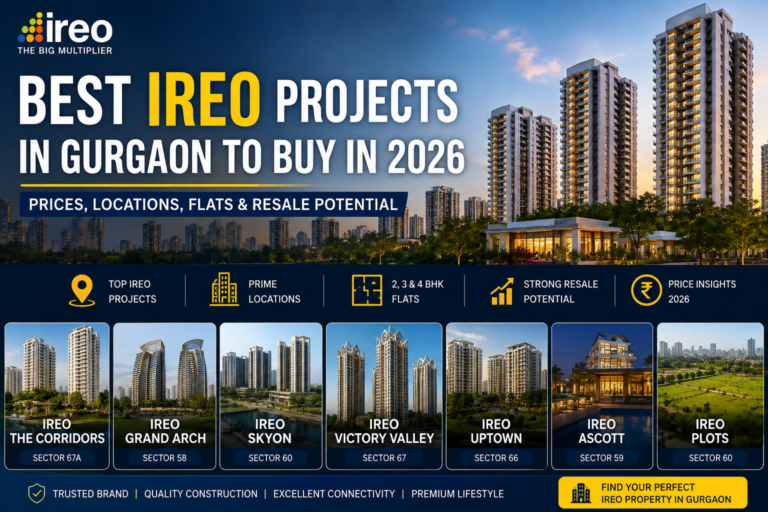
Urban housing trends over the past decade have dramatically shifted from simple concrete structures to holistic residential ecosystems. As density rises within metropolitan hubs, residents increasingly seek natural sanctuaries without sacrificing proximity to business districts, schools, and transit networks. Within modern high-rise developments including premium offerings like Ireo New Project and landmark residential addresses such as Ireo New Project Gurgaon thoughtfully engineered green spaces have transitioned from decorative embellishments to essential infrastructure. However, evaluating whether these manicured environments meaningfully upgrade your everyday apartment living experience requires looking beyond initial visual charm to assess microclimate control, spatial ergonomics, wellness benefits, long-term maintenance standards, and resale value metrics.
The Evolution of Landscaped Gardens in High-Density Everyday Apartment Living
From Ornamental Patchwork to Functional Green Infrastructure
Historically, residential greenery meant a peripheral lawn or isolated flowerbed. Modern landscape architecture adopts biophilic design principles, blending native plantings, water features, walking trails, and seating nooks directly into apartment planning. This transition shifts green space from passive decor to active infrastructure that shapes daily routines.
Microclimate Regulation: Mitigating Urban Heat Islands
Densely built urban areas create urban heat islands, where concrete and asphalt absorb solar radiation, elevating localized temperatures. Integrated gardens combat this through evapotranspiration and shaded canopy cover.
- Temperature Modulation: Dense foliage and groundcover can lower localized ambient temperatures around lower and mid-tier balcony units by 2°C to 4°C during peak summer months.
- Air Filtration: Strategic tree buffers filter suspended particulate matter (PM_{2.5} and PM_{10} ), providing cleaner ambient air for surrounding residential units.
- Acoustic Dampening: Soft landscaping materials, soil beds, and dense foliage absorb high-frequency street noise, creating quiet residential corridors.
Key Parameters: Assessing Landscaped Gardens for Everyday Apartment Living
To evaluate how green amenities enhance everyday apartment living, look past superficial marketing collateral and analyze practical design, usability, and operational parameters.
| Assessment Category | Key Architectural Criteria | Daily Living Impact | Long-Term Consideration |
| Spatial Accessibility | Barrier-free pathways, multi-access entries, ramp gradients | Seamless usability for children, elderly, and mobility-impaired residents | ADA/Universal Accessibility compliance over time |
| Zoning & Separation | Physical and acoustic buffer zones between active/passive areas | Prevents noise pollution from playgrounds disrupting quiet reading zones | Adaptability of zones as community demographics age |
| Flora Selection | Native species, non-allergenic plants, evergreen canopy | Reduced seasonal pollen triggers and consistent year-round shade | Irrigation demands and resistance to local climate stress |
| Illumination & Safety | Layered LED path lighting, low-glare fixtures, zero dark corners | Safe nighttime walks and evening community interaction | Energy efficiency, maintenance of fixtures, and light pollution control |
| Irrigation & Water Mgmt | Drip irrigation, rainwater collection, recycled greywater usage | Prevents standing water, mosquito breeding, and water waste | Sustainable operational expenses reflected in maintenance bills |
Mental, Physical, and Social Wellness Impacts
The Psychological Cushion: Attention Restoration and Stress Relief
Biophilic design research demonstrates that regular contact with natural elements lowers cortisol levels and aids mental recovery. Visual access to natural shapes, textures, and changing seasons counteracts screen fatigue and mental burnout.
Developments like Ireo Corridors integrate expansive green courtyards into their master plans, ensuring residents have both direct visual access to nature from their windows and easy physical entry to walking trails.
Active Physical Health Integration
Landscaped environments encourage light-to-moderate physical activity without requiring a trip to an off-site gym.
- Dedicated Walking Tracks: Paved, cushioned running trails integrated through landscaped gardens reduce joint impact compared to concrete sidewalks.
- Outdoor Yoga and Fitness Lawns: Open green lawns provide flexible spaces for morning exercise, yoga, and meditation.
- Children’s Play Environments: Organic play spaces featuring soft grass, earth mounds, and natural shade foster outdoor activity for children.
Social Cohesion and Community Building
Shared outdoor environments act as natural social hubs. Open lawns, gazebo seating, and community garden plots encourage spontaneous interactions among neighbors, strengthening community connections while maintaining personal space. Vertical greenery and sky gardens, prominent in towers such as IREO Victory Valley, bring these communal green hubs to high-rise levels, giving residents elevated retreat zones right outside their doors.
Maintenance Standards, Economic Realities, and Property Valuation
The Financial Equation: Premium Quality vs. Long-Term Maintenance Costs
While landscaped gardens offer clear health and lifestyle benefits, they require ongoing care. Prospective buyers and tenants must evaluate the balance between upfront investment and ongoing maintenance fees.
- Initial Capital Allocation: High-density, intricately landscaped developments often carry a 5% to 12% price premium over standard developments.
- Monthly Maintenance Expenses: Complex water features, exotic non-native plants, and large manicured lawns require continuous maintenance. Ensure the homeowners association (HOA) uses sustainable landscaping techniques—such as native plants and automated drip systems—to keep long-term costs manageable.
- Resale and Rental Value Retention: Properties with well-maintained green spaces hold their value better during market downturns and command higher rental yields than properties with neglected grounds.
Developments like IREO Grand Arch demonstrate how combining smart landscape planning with modern irrigation systems preserves property value and amenity quality over time.
Architectural Checklist: Assessing a Project’s Green Infrastructure
When touring prospective apartments, use this quick diagnostic checklist to evaluate the landscape architecture:
- Orientation and Sun Exposure
- Do trees provide natural shade during peak afternoon sun?
- Are gardens positioned to capture prevailing breeze patterns?
- Plant Selection and Diversity
- Are the species native and suited to the local climate?
- Is there a healthy mix of tall canopy trees, mid-level shrubs, and groundcover?
- Hardscape to Softscape Ratio
- Does soft greenery make up at least 60–70% of the garden area?
- Are walkways built with permeable pavers to allow rainwater drainage?
- Water and Drainage Infrastructure
- Are garden beds properly graded to prevent standing water?
- Are smart irrigation systems (such as soil moisture sensors) installed?
- Nighttime Usability and Safety
- Is lighting soft, low-glare, and non-intrusive to ground-floor apartments?
- Are all main pathways clearly lit and free of hidden corners?
Future Trends: Smart, Sustainable, and Edible Landscapes
Micro-Farming and Edible Landscaping
Modern residential developments are increasingly replacing purely ornamental flowers with edible plants, fruit trees, and herbs. Community herb gardens and shared micro-farm plots allow residents to grow organic produce locally.
Automated and AI-Driven Irrigation
Smart urban developments use weather-connected irrigation controllers and underground soil sensors to optimize water usage. These systems prevent overwatering during rainy seasons and conserve water during dry spells, cutting utility costs.
Urban Biodiversity and Pollinator Corridors
Forward-thinking landscape design focuses on supporting local biodiversity. Introducing native flowering plants, bird baths, and pollinator hubs creates urban ecosystems that attract local bird species, butterflies, and beneficial insects. Premium residences like Ireo Ascott Gurgaon highlight how luxury hospitality features can seamlessly integrate with lush, natural outdoor surroundings.
- Thermal Comfort: Landscaped gardens regulate local microclimates, lowering surrounding temperatures by 2°C to 4°C and helping buffer ambient urban noise.
- Biophilic Benefits: Regular visual and physical access to integrated green spaces reduces stress, aids focus, and encourages daily physical activity.
- Evaluation Criteria: When viewing properties, assess plant diversity, drainage systems, lighting, and accessibility rather than relying on visual appeal alone.
- Financial Balance: Ensure the development uses native plants and automated drip systems to maintain long-term property values without excessive HOA fees.
- Future Proofing: Smart irrigation, native biodiversity, and community micro-farms represent the next generation of sustainable urban landscaping.
Frequently Asked Questions
Do landscaped gardens really lower apartment temperatures?
Yes. Through evapotranspiration and foliage shade, well-planned landscaped gardens reduce local microclimate temperatures by 2°C to 4°C, lowering air conditioning needs for nearby units.
How do landscaped gardens impact monthly maintenance fees?
Complex features like large lawns and exotic plants increase landscaping costs. However, projects that use native plants and automated drip irrigation keep monthly maintenance fees stable and predictable.
What should I check regarding garden drainage during a site visit?
Look for permeable paving, proper slope grading away from walkways, rain gardens, and integrated drainage channels that prevent water from pooling during heavy rain.
Are ground-floor apartments near gardens noisier?
It depends on how the space is designed. Active zones like playgrounds can generate noise, but passive zones with dense hedge buffers and soft soil absorb sound, making nearby ground-floor units quieter than average street-facing apartments.
How do green spaces improve resale values for high-rise units?
Apartments with views of or direct access to well-maintained green spaces consistently command higher rental premiums and hold their value better during real estate market downturns.
What is biophilic design in modern apartment complexes?
Biophilic design integrates natural elements such as sunlight, fresh air, native plants, stone, and water features directly into built environments to support mental health and physical well-being.
Do landscaped gardens increase mosquito or pest issues?
Properly managed gardens with flowing water features, biological pest controls, and efficient drainage prevent standing water and keep mosquito and pest issues to a minimum.
What is the ideal ratio of softscape to hardscape in an apartment complex?
A healthy landscape design typically features a softscape-to-hardscape ratio of at least 60:40, ensuring ample soil and greenery for rainwater absorption, cooling, and visual comfort.
How do vertical gardens and sky decks benefit upper-floor residents?
Vertical gardens and elevated sky decks bring green spaces closer to high-rise residents, improving air quality, offering nearby outdoor spaces, and reducing heat absorption on upper floors.
Are native plants better than exotic species in residential gardens?
Yes. Native plants thrive in local soil and climate conditions, requiring less water, fewer fertilizers, and less maintenance while providing essential habitat for local birds and pollinators.
Final Thoughts
Landscaped gardens have evolved from purely decorative additions into central infrastructure for modern urban housing. When designed thoughtfully and maintained sustainably, these natural environments enhance daily residential life by dampening street noise, balancing local temperatures, supporting mental wellbeing, and fostering strong community connections. By carefully evaluating landscape layout, plant selections, drainage systems, and ongoing maintenance strategies during your property search, you can choose a home that delivers long-term comfort, personal wellness, and lasting financial value.