
The Future of Sector 67A Gurugram: Master Plan & Commercial Hubs by 2030
Gurugram’s real estate evolution has always been defined by its ability to push the boundaries of urban living. Among the myriad of developing corridors, Sector 67A Gurugram has emerged as a focal point for investors, urban planners, and homebuyers alike. Situated strategically at the intersection of modernity and convenience, this sector represents the next logical step in the city’s expansion toward the South. As we look toward the year 2030, the vision for this region is not just about building skyscrapers; it is about creating a holistic, self-sustaining ecosystem that integrates high-speed connectivity with premium lifestyle amenities.
The significance of Sector 67A Gurugram lies in its unique positioning. It acts as a bridge between the highly developed Golf Course Extension Road and the burgeoning Southern Peripheral Road (SPR). For years, this pocket was seen as a long-term play, but recent infrastructure breakthroughs have accelerated its timeline. Today, it stands on the cusp of a total transformation, driven by the Gurugram Master Plan 2031, which emphasizes low-density residential zones, expansive green belts, and specialized commercial districts.
In this expert-level analysis, we will explore the multifaceted growth story of this sector. We will delve into the technicalities of its infrastructure, the shift in commercial demand, and why it is poised to become one of the most coveted addresses in the National Capital Region (NCR). From the presence of landmark developments like the Ireo New Project portfolio to the macro-economic impact of the Delhi-Mumbai Expressway, this article provides a comprehensive roadmap for anyone looking to understand the reality of living and investing in this corridor by 2030.
Strategic Infrastructure and Transformation of Sector 67A Gurugram
The cornerstone of the 2030 vision for Sector 67A Gurugram is the seamless integration of transit and technology. Unlike the older, more congested parts of Gurugram, the infrastructure here is being built with a futuristic perspective. The road networks are wider, the drainage systems are planned for high capacity, and the utility corridors are underground to ensure a clutter-free environment. This “infrastructure-first” approach is what sets the sector apart and ensures that property values remain resilient against market fluctuations.
As the city moves toward a decentralized model, this sector is being groomed as a primary node. The master plan envisions a 60-meter wide sector road that connects directly to the Sohna-Gurugram Elevated Road, effectively cutting down travel times to central hubs like Cyber City or the Indira Gandhi International Airport. Furthermore, the integration with the Southern Peripheral Road ensures that residents have multiple exit and entry points, avoiding the bottlenecks common in Phase 1 and 2.
The Connectivity Matrix: SPR and Beyond
Connectivity is the lifeblood of real estate value. For Sector 67A Gurugram, the revamp of the Southern Peripheral Road is a game-changer. By 2030, the SPR is expected to function as a signal-free expressway, linking this sector directly to the Delhi-Mumbai Industrial Corridor (DMIC). This connection is vital for commercial growth, as it places the sector on the path of one of the world’s most significant economic arteries.
The proximity to the Golf Course Extension Road also provides immediate access to the established social infrastructure of the city. Residents can enjoy the peace of a developing sector while being just a five-minute drive away from the high-street retail and gourmet dining options that define Gurugram’s elite lifestyle. This dual advantage is a primary driver for the high demand seen in projects like Ireo Corridors, which balances massive acreage with strategic location.
The Impact of the Delhi-Mumbai Expressway
The Sohna-Dausa stretch of the Delhi-Mumbai Expressway has already begun to influence local real estate dynamics. Being located so close to the starting point of this highway makes the sector a prime location for logistics, corporate housing, and regional office hubs. By 2030, as the expressway reaches full operational capacity, we expect a surge in demand for short-stay and luxury serviced apartments, as the sector becomes a convenient stop for business travelers moving between the two metros.
Public Transit and Metro Expansion
A critical component of the Master Plan 2031 is the expansion of the Gurugram Metro. The proposed route along the SPR will feature a station within reach of Sector 67A Gurugram. Metro connectivity is historically the single biggest catalyst for price appreciation in the NCR. By providing an alternative to road transport, the metro will make this sector accessible to a broader workforce, further driving the rental market and commercial viability of the region.
Commercial Hubs: The 2030 Vision
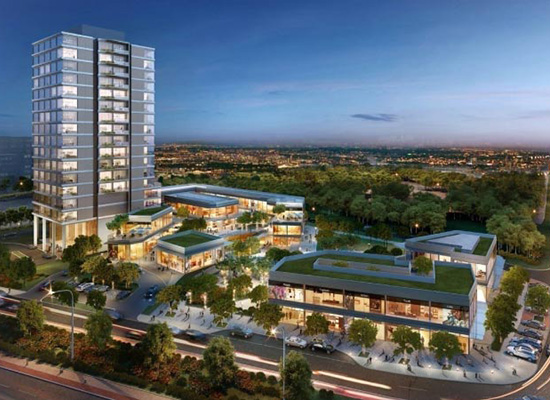
By 2030, the landscape of Sector 67A Gurugram will be dominated by mixed-use developments that blend office spaces with high-end retail. The shift away from traditional “box malls” toward open-air, high-street formats is already evident. These commercial hubs are designed to serve not just the local residents but the larger South Gurugram population.
The focus is on creating “Experience Centers” rather than just points of sale. We are seeing a rise in Grade-A office buildings that prioritize sustainability and employee well-being. These buildings will likely house tech startups, consultancy firms, and regional headquarters of multinational corporations that are moving away from the saturated Cyber City and Golf Course Road markets.
Retail Evolution and High-Street Concepts
The retail reality of the future involves hyper-local convenience paired with luxury branding. In this sector, we anticipate the development of several retail corridors that offer everything from international fashion labels to artisanal cafes. The “walkability” of these hubs is a key design feature, encouraging a lifestyle where residents can walk to work or their favorite restaurant without ever needing to take their car out.
The Role of Serviced Apartments
With the rise of the “gig economy” and global consulting firms, the demand for serviced apartments is skyrocketing. Projects like the Ireo Ascott Gurgaon are prime examples of how the sector is preparing for a transient but high-spending population. These units provide the comfort of a home with the services of a five-star hotel, making them a high-yield investment choice for those looking at the 2030 horizon.
Residential Landscape: Luxury Meets Sustainability
The residential growth in Sector 67A Gurugram is characterized by low-density planning and “Green Building” certifications. The 2030 roadmap envisions a skyline that is iconic but not overwhelming. Developers are focusing on providing larger floor plates, private balconies, and smart home automation as standard features.
The presence of established projects like IREO Grand Arch has already set a high benchmark for the region. These developments offer a glimpse into the future—sprawling clubhouses, sports facilities, and high-tech security systems that make everyday living a luxury experience. As new projects launch, they are expected to build upon this foundation, incorporating even more advanced sustainable technologies like grey-water recycling and solar-powered common areas.
The Appeal of Vertical Living
Vertical living in this sector isn’t just about height; it’s about the view and the lifestyle. Towers like those in IREO Victory Valley offer residents an escape from the city’s noise and pollution. By 2030, high-rise living will be the standard for luxury, with buildings designed to maximize natural light and ventilation, reducing the carbon footprint of the households.
Low-Density and Gated Communities
While high-rises define the skyline, the internal fabric of the sector will include premium gated communities and independent floors. This variety ensures that the sector remains inclusive of different family structures—from young professionals to multi-generational families. The emphasis on “Gated Security” and “Community Living” is a response to the growing consumer preference for safety and social interaction within their immediate environment.
Quality of Life: Health, Education, and Leisure
Beyond the bricks and mortar, the success of Sector 67A Gurugram by 2030 will be measured by the quality of life it offers. The social infrastructure is being developed in tandem with the residential and commercial sectors.
- Healthcare: Proximity to world-class hospitals like Artemis and Medanta is a major advantage. Furthermore, smaller, specialized clinics and diagnostic centers are expected to open within the sector’s commercial hubs.
- Education: Some of India’s top K-12 schools are already located within a 5-kilometer radius. This makes the sector highly attractive for families who prioritize their children’s education and want to minimize commute times.
- Green Spaces: The master plan includes dedicated parks and recreational zones. The aim is to ensure that every resident is within walking distance of a green lung, promoting physical activity and mental well-being.
Statistics & Research: The 2030 Forecast
Market research indicates that Sector 67A Gurugram is one of the most stable real estate pockets in the NCR.
- Capital Appreciation: Over the last three years, the sector has seen a steady 10-12% annual increase in property values. By 2030, with the completion of the metro and SPR revamp, experts predict a cumulative appreciation of 40-50%.
- Rental Demand: The influx of corporate offices along Sohna Road and the SPR has led to a 15% year-on-year growth in rental inquiries in this sector.
- Supply vs. Demand: Currently, the demand for premium 3BHK and 4BHK units exceeds the supply, leading to a “seller’s market” scenario that is expected to persist as the 2030 infrastructure comes online.
Future Outlook: Emerging Trends
As we look toward the end of the decade, several trends will define the future of this sector:
- Smart City Integration: Expect the implementation of smart traffic management, automated waste collection, and high-speed public Wi-Fi zones throughout the sector.
- Eco-Luxury: The definition of luxury will shift from pure opulence to “Ecological Opulence”—homes that are self-sufficient in power and water.
- Hybrid Workspaces: Residential units will increasingly feature dedicated home-office pods, reflecting the permanent shift toward hybrid work models.
- Community Hubs: Small, localized community centers will become the heart of social life, offering libraries, gyms, and co-working spaces.
- Strategic Growth:Sector 67A Gurugram is at the center of the city’s southward expansion, benefiting from the SPR and Delhi-Mumbai Expressway.
- Infrastructure Lead: The 2030 vision is built on a foundation of planned roads, metro connectivity, and underground utilities.
- Investment Potency: Landmark projects like IREO Grand Arch and IREO Victory Valley have established the sector as a premium residential destination.
- Commercial Potential: The development of high-street retail and Grade-A offices will turn the sector into a significant economic hub by 2030.
- Balanced Lifestyle: The integration of green spaces, top schools, and healthcare ensures a high quality of life for all residents.
FAQs
What makes Sector 67A different from other sectors in Gurugram?
Sector 67A is characterized by its lower population density and modern master planning. It offers a blend of luxury high-rises and premium floors, while being perfectly positioned between the major commercial corridors of Sohna Road and the SPR.
How will the SPR revamp affect residents of this sector?
The revamp will provide a signal-free commute to major parts of the city and the airport. It will also reduce noise and air pollution by diverting heavy transit traffic away from internal sector roads.
Is Sector 67A Gurugram a good place for long-term investment?
Yes. With the Gurugram Master Plan 2031 focusing heavily on this corridor and the upcoming metro connectivity, the potential for capital appreciation over the next 5-10 years is very high.
What kind of commercial developments are expected by 2030?
The sector will likely see more high-street retail developments, serviced apartments, and boutique office spaces that cater to the needs of the modern, hybrid-working professional.
Are there good schools near Sector 67A?
Yes, the sector is close to some of the most prestigious schools in the city, including The Heritage School, Pathways, and St. Xavier’s, making it an ideal choice for families.
What is the current status of power and water infrastructure?
The sector benefits from newer, higher-capacity electrical sub-stations and a robust water connection from the GMDA. Most premium projects also have extensive internal backups and treatment plants.
How far is the IGI Airport from Sector 67A?
Depending on the time of day and the route taken (via NH-48 or SPR), the airport is typically a 35 to 45-minute drive.
What is the rental yield like in this area?
Due to the proximity to corporate hubs, the rental yield is strong, currently averaging between 3% to 4.5% for premium residential properties.
Will there be more green spaces in the future?
Yes, the Master Plan 2031 has designated significant portions of the land for green belts and parks to ensure the ecological balance of the sector is maintained.
Who are the major developers in this sector?
Several top-tier developers have a presence here, with Ireo being one of the most prominent, having delivered landmarks that have defined the luxury landscape of the region.
What is the “Global City” connection?
The upcoming Global City project is located nearby via the SPR/Cloverleaf interchange. This massive commercial hub will create thousands of jobs, significantly boosting demand for housing in Sector 67A.
Are serviced apartments a good investment here?
Yes, the demand for high-end serviced accommodation is growing due to the sector’s accessibility to the industrial and corporate zones of Sohna and Manesar.
Is the sector prone to waterlogging?
Unlike older parts of Gurugram, the drainage system here is newer and follows modern urban engineering standards, significantly reducing the risk of flooding during monsoons.
What kind of security is available in the gated communities?
Most premium societies offer 24×7 multi-tier security, including CCTV surveillance, visitor management apps, and perimeter patrolling.
How will the Delhi-Mumbai Expressway impact the local economy?
The expressway will turn the region into a major transit hub, attracting logistics companies and corporate headquarters, which in turn will drive the local residential and retail economy.
Final Thoughts
The trajectory of Sector 67A Gurugram toward 2030 is a testament to the city’s enduring appeal as a land of opportunity. By combining strategic foresight in infrastructure with a deep understanding of luxury lifestyle needs, the sector has prepared itself for a decade of unparalleled growth. Whether through the innovative residential designs of the Ireo New Project or the emerging commercial hubs, the future of this corridor is bright. For those who seek a home that offers both peace and productivity, or an investment that promises both safety and scale, the journey toward 2030 begins in the heart of Sector 67A.