Gurgaon Property Near Metro: What Buyers Should Check Before Investing
Urban mobility has emerged as the single most critical determinant of real estate valuation across the National Capital Region (NCR). Investing in a Gurgaon Property Near Metro offers homebuyers and seasoned investors an unbeatable combination of daily convenience, robust rental yields, and long-term capital protection. With traffic congestion along major vehicular corridors escalating, rapid rail transit networks including the Yellow Line, Rapid Metro Gurgaon, and the expanding Millennium City Centre extension have transformed adjacent sectors into premier micro-markets. When exploring new residential avenues, evaluating developer reliability and strategic planning across an Ireo New Project or a premium Ireo New Project Gurgaon development provides a strong foundation for high-yielding real estate acquisitions anchored around transit-oriented corridors.
However, proximity alone does not guarantee real estate success. While being within walking distance of a metro station enhances convenience, it also brings potential challenges such as commercial encroachment, elevated ambient noise, last-mile transit bottlenecks, and parking friction. Navigating these factors requires a structured evaluation framework that goes beyond simple distance metrics. In this comprehensive guide, we unpack the critical operational, financial, and legal checkpoints every buyer must verify before committing capital to a metro-adjacent home in Gurgaon.
Gurgaon Property Near Metro: The Master Evaluation Framework
Evaluating real estate along rapid mass transit corridors requires looking beyond glossy developer brochures and analyzing ground realities. Urban infrastructure shapes long-term property performance. To make an informed decision, buyers must systematically assess five core pillars of transit-oriented housing.
Deciphering the Ideal Radial Distance: The 500m vs. 1.5km Dilemma
In transit-oriented real estate development, physical distance from a station translates directly into distinct daily living experiences.
Zone A: The Immediate Station Radius (0 to 500 Meters)
Living within 500 meters of a metro station offers maximum convenience for daily commuters. However, this immediate proximity comes with distinct trade-offs:
- Key Advantages: Complete elimination of vehicle dependencies, zero last-mile commute costs, and exceptional liquidity for rental placement.
- Key Drawbacks: Higher noise pollution from transit announcements and traffic, street congestion near exit gates, and increased foot traffic from commercial vendors.
Zone B: The Sweet Spot Corridor (500 Meters to 1.5 Kilometers)
For most residential end-users, the 500 to 1,500-meter zone represents the optimal balance between transit access and residential tranquility.
- Key Advantages: Buffer against station exit noise, cleaner residential streetscapes, lower exposure to transient crowds, and better master-planned internal roads.
- Key Challenges: Reliance on last-mile transport or dedicated walking paths to cover the short distance comfortably.
Last-Mile Infrastructure & Pedestrian Safety Checkpoints
A property may sit just 800 meters from a metro station, but if the walk involves unpaved roads, open drain lines, or unlit intersections, the practical utility of the metro drops significantly.
Pedestrian Infrastructure Audit
Before investing, conduct a physical walk from the project gate to the nearest metro station concourse:
- Footpath Continuity: Check whether paved, elevated sidewalks run uninterrupted along the route.
- Street Lighting Quality: Inspect illumination levels along the pedestrian route during evening hours (20:00 to 22:00).
- Safe Crossings: Look for signal-controlled pedestrian crossings, skywalks, or designated zebra crossings over major roads.
Feeder Ecosystem Maturity
A mature transit ecosystem relies on organized multi-modal integration. Verify whether the station features designated drop-off bays for auto-rickshaws, app-based cab services, and e-rickshaw staging zones. Unorganized auto stands near station exits can create bottlenecks that spill over into residential access roads.
Evaluating Micro-Market Price Premiums and Rental Yields
Properties situated near metro lines naturally command pricing models distinct from non-transit housing.
| Radius from Metro | Capital Value Premium | Average Rental Yield | Tenant Profile | Resale Liquidity |
| 0 – 500 Meters | 18% – 25% Higher | 4.2% – 5.0% | Corporate Expatriates, Young Professionals | Very High |
| 500m – 1.5 km | 10% – 15% Higher | 3.8% – 4.4% | Families, Senior Executives | High |
| 1.5 km – 3.0 km | Baseline Pricing | 3.2% – 3.7% | Long-term Owner-Occupiers | Moderate |
Financial Mechanics of Metro Premiums
Historically, residential projects within 1 kilometer of operational metro stations in Gurgaon command a capital value premium of 12% to 22% over comparable properties situated 3 kilometers or further away. Rental yields in transit-connected micro-markets typically range between 4.0% and 5.0%, compared to the citywide baseline average of 3.0% to 3.5%.
Project-Level Value Drivers
Integrated master-planned developments positioned along key growth corridors demonstrate strong yield performance. For example, prominent developments like IREO Victory Valley along Golf Course Extension Road illustrate how high-rise luxury design paired with swift access to transit corridors via SPR creates long-term residential demand and strong rental performance.
Sound Pollution, Acoustic Engineering, and Privacy Considerations
While proximity to elevated metro lines offers excellent connectivity, the physical operation of elevated trains creates constant structural vibrations and low-frequency noise.
Acoustic Windows and Sound Insulation
When evaluating apartments within 300 meters of elevated tracks, inspect the structural specifications of windows and balcony doors:
- Double-Glazed Windows (DGU): Ensure the developer provides double-glazed windows featuring an acoustic PVB interlayer to absorb train noise.
- Balcony Positioning: Check whether primary bedrooms face away from the main transit corridor to ensure quiet sleeping environments.
Structural Setbacks and Buffer Zones
High-quality residential developments incorporate natural acoustic buffers into their master plans. Look for projects with thick green belts, perimeter landscaping, and wide boundary setbacks that reduce incoming noise before it reaches residential towers.
Comprehensive Checklist: Master-Planned vs. Unplanned Metro Corridors
Not all metro corridors offer the same long-term growth potential. Distinguishing between master-planned developments and congested urban pockets is crucial for asset security.
Key Elements of Master-Planned Sectors
- Broad Sector Roads: Minimum 24-meter internal access roads and 60 to 90-meter main sector roads that prevent traffic jams.
- Zoned Commercial Areas: Clear separation between retail high streets and residential gates to keep foot traffic organized.
- Underground Infrastructure: Dedicated service trenches for power, fiber optics, and drainage that eliminate disruptive road cutting.
Redevelopment and Encroachment Risks
Unplanned pockets near metro stations frequently suffer from commercial encroachment, unauthorized parking along access roads, and overloaded local utilities. These factors can limit long-term capital appreciation despite transit access.
Key Metro Corridors in Gurgaon: A Micro-Market Overview
Gurgaon’s rapid transit landscape consists of two primary operational systems—the Delhi Metro Yellow Line and the Rapid Metro—alongside upcoming extension lines that are reshaping real estate dynamics across the city.
1. The Legacy Yellow Line Belt (Sectors 27, 28, 29, and MG Road)
The Yellow Line connects Gurgaon directly to Central, North, and South Delhi, making it one of the most established transit belts in NCR.
- Key Stations: HUDA City Centre (now Millennium City Centre), IFFCO Chowk, MG Road, Sikanderpur, Guru Dronacharya.
- Market Dynamics: Highly mature infrastructure with premium pricing. Properties near these stations enjoy consistent demand from corporate leaders and expatriates working in nearby commercial hubs.
- Lifestyle Highlights: Direct access to established shopping malls, corporate parks, and fine dining establishments along MG Road and Cyber City.
2. The Rapid Metro Loop (Cyber City to Golf Course Road)
The Rapid Metro network serves as an internal circulatory transit loop, linking major commercial towers directly to residential sectors along Golf Course Road.
- Key Sectors: Sectors 24, 25, 25A (Cyber City), Sectors 42, 43, 53, 54, 55, and 56.
- Livability Profile: Premium urban living with high-end high-rise condominiums, landscaped linear parks, and modern civic amenities.
- Investment Profile: Excellent capital values and stable corporate tenant demand, supported by seamless multi-modal connectivity to Cyber Hub and Golf Course Road corporate parks.
3. The Golf Course Extension & SPR Expansion Corridor
As rapid transit moves south along the Southern Peripheral Road (SPR), new residential sectors are blending suburban layouts with modern transit access.
- Emerging Sectors: Sectors 65, 66, 67, 68, and 59.
- Infrastructure Highlights: Wide sector roads and direct access to elevated CPR-SPR bypass routes provide swift transit across Gurgaon. Integrated developments such as IREO Grand Arch in Sector 59 stand out for their advanced structural design, energy-efficient glass facades, and direct access to arterial routes leading to Rapid Metro stations.
4. The Upcoming Metro Extension Line (Millennium City Centre to Cyber City via Old Gurgaon)
The approved metro extension loop is set to bring mass transit connectivity to West and Old Gurgaon, transforming accessibility across mid-income and luxury sectors.
- Growth Impact: Early-stage investors in sectors like 47, 48, 102, and 106 stand to gain as construction progresses, driving future capital appreciation and rental demand.
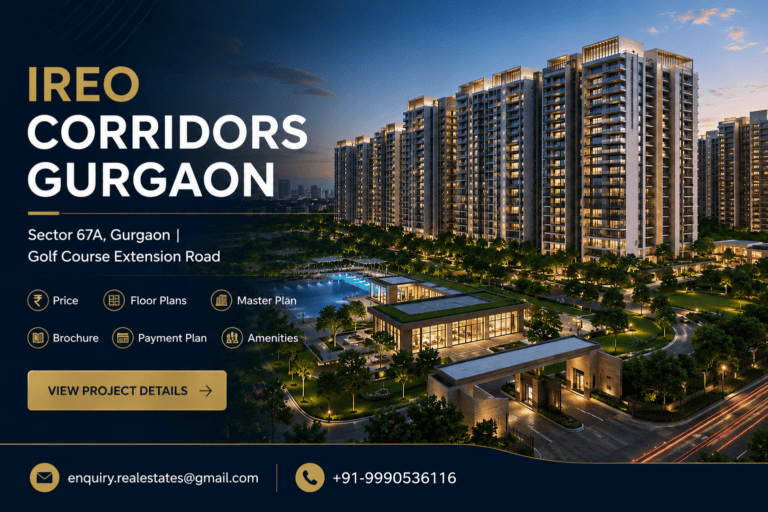
- Township Ecosystems: Large master-planned developments like Ireo Corridors in Sector 67A benefit significantly from these expanding infrastructure routes, offering integrated sports amenities, vast green spaces, and efficient arterial access to upcoming transit nodes.
Market Data & Trends: Transit Impact on Valuation
Data across major Indian metropolitan markets consistently highlights the positive impact of transit infrastructure on real estate values.
Consumer Behavior Shifts
Recent residential buyer surveys reveal changing lifestyle preferences among urban home seekers in Gurgaon:
- Commute Sensitivity: Over 68% of corporate respondents prioritize keeping daily office commute times under 30 minutes, ranking metro access above luxury clubhouse amenities.
- Rental Choice Drivers: 74% of corporate tenants state they are willing to pay an 8% to 12% rent premium for apartments located within a 10-minute walk of a metro station.
- Parking Efficiency: Properties offering automated underground parking paired with transit options see 30% faster lease turnarounds compared to developments with limited parking space. For specialized hospitality investments like Ireo Ascott Gurgaon, this steady demand from corporate travelers seeking flexible serviced apartments near major transit corridors underlines the strength of transit-oriented real estate.
Step-by-Step Practical Due Diligence Guide for Buyers
Before signing a booking agreement for a metro-adjacent property, complete this five-step physical and legal inspection:
Step 1: Conduct Peak-Hour Traffic Audits
Visit the project location during morning (08:30 to 10:00) and evening (18:00 to 19:30) peak traffic hours. Check whether cars exiting or entering the station area cause delays along your property’s primary access road.
Step 2: Verify RERA Filings and Approved Site Plans
Review the project’s official RERA Haryana layout map. Verify whether designated setback zones, public park allocations, and road-widening reservations along the transit line match the physical construction on site.
Step 3: Inspect Building Materials and Glazing Specs
If the property is located within 300 meters of an elevated metro structure, confirm with the developer that the building specification includes UPVC/aluminum frames with multi-pane laminated glass for sound insulation.
Step 4: Map Last-Mile Safety Infrastructure
Walk the route from the main entrance gate to the nearest station exit point after dusk. Ensure streetlights are operational, footpaths are clear, and security surveillance is visible along the route.
Step 5: Evaluate Future Commercial Zoning
Check the local master plan for vacant land plots surrounding the station. Land designated for commercial high-rises or multi-level parking could alter your views, ambient light, and local traffic patterns once developed.
Future Outlook & Transit Transformations
Gurgaon’s transit network is evolving into a unified, multi-modal infrastructure system.
Multi-Modal Public Transit Integration
Future urban planning emphasizes integrating metro rail stations with electric feeder buses, micro-mobility e-bike stands, and dedicated pedestrian walkways. This shift will make last-mile connectivity cleaner, faster, and more efficient.
Impact of Regional Rapid Transit Systems (RRTS)
The upcoming Delhi-Gurgaon-SNB RRTS corridor will further connect Gurgaon to regional industrial hubs and IGI Airport. Stations along the RRTS line will create major transit nodes, boosting demand for modern residential properties surrounding these high-speed hubs.
Frequently Asked Questions
What is the ideal distance to live from a metro station in Gurgaon?
The optimal radial distance for residential living is between 500 meters and 1.5 kilometers. This distance offers easy access to rapid transit while insulating your home from station exit noise, commercial crowds, and vehicular traffic bottlenecks.
Do properties near metro stations appreciate faster than non-metro properties?
Yes, properties near operational metro stations historically experience 12% to 22% higher capital appreciation compared to non-transit properties, driven by sustained rental demand and daily commute convenience.
How does living near an elevated metro line affect home noise levels?
Elevated metro tracks can generate ambient noise levels between 70 dB and 82 dB. However, modern high-rise developments with double-glazed windows and PVB acoustic interlayers reduce indoor sound to comfortable levels (35 dB to 42 dB).
Are rental yields higher for apartments near Rapid Metro stations?
Yes, apartments located along the Rapid Metro belt (such as Golf Course Road and Cyber City sectors) achieve rental yields between 4.2% and 5.0%, significantly above the citywide residential average.
What should I check regarding last-mile connectivity before buying?
Inspect footpath continuity, street lighting, pedestrian crossings, and the presence of organized e-rickshaw or feeder bus drop-off zones along the walk from the project gate to the station concourse.
How does upcoming metro construction impact current property prices?
Property values typically rise in phases: an initial bump upon official route approval, steady growth during construction, and a sharp appreciation spike once operational service begins.
Can commercial encroachment near metro stations negatively impact residential property values?
Unplanned commercial growth right outside station exits can cause street parking congestion, litter, and noise pollution, which may hurt long-term residential resale value if not properly managed.
Is parking availability still important for properties located next to metro stations?
Yes, secure underground parking remains essential. Most metro commuters still own personal vehicles for weekend travel, intercity trips, and family transit needs.
How do master-planned sectors differ from older metro belts in Gurgaon?
Master-planned sectors offer wider 60-meter-plus sector roads, dedicated utility trenches, structured commercial zones, and integrated park systems that prevent post-transit street clutter.
Does metro proximity guarantee high property liquidity when selling?
Yes, properties within walking distance or a short drive of rapid transit stations consistently attract a wider pool of buyers and corporate tenants, ensuring faster resale times and lower vacancy rates.
Final Thoughts
Investing in a Gurgaon Property Near Metro is one of the most effective strategies for securing long-term capital appreciation, steady rental yields, and high daily convenience in NCR’s competitive real estate market. By evaluating key factors like radial distance, acoustic insulation, last-mile safety, and master-planned layouts, buyers can capture all the advantages of rapid mass transit while enjoying a tranquil living environment. As Gurgaon’s transit network continues to expand, choosing a well-connected home in a quality residential development ensures your asset remains resilient, liquid, and valuable for decades to come.